People who had obesity in adolescence account for more healthcare spending at age 30 than people who had a healthy weight in adolescence, according to a new study by researchers with ACHI and the University of Arkansas for Medical Sciences (UAMS). The findings suggest there is great potential for reducing healthcare expenditures if weight reduction policies are successfully implemented during or before adolescence, the study’s authors wrote.
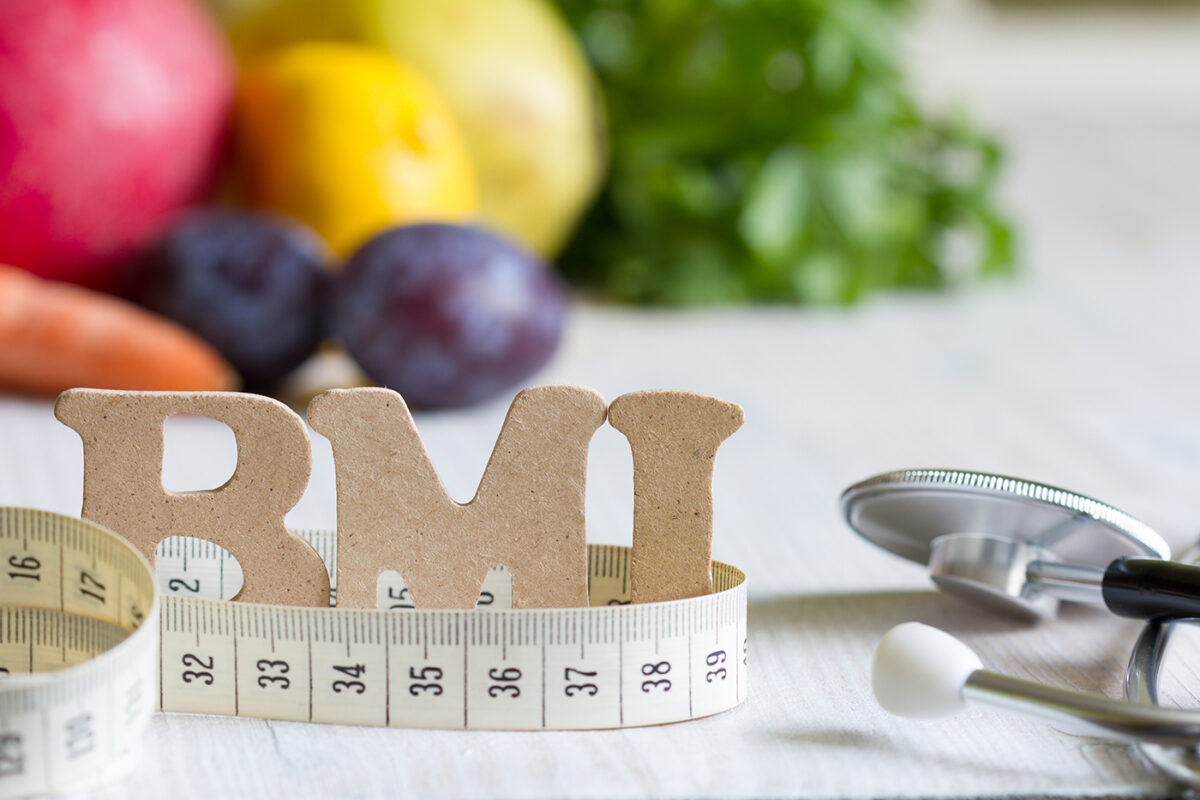
For the study, published by the journal Obesity Science and Practice, the researchers reviewed the body mass index (BMI) data of Arkansas public school 10th graders who were measured between 2004 and 2008 under Arkansas’s legislatively mandated BMI screening program. The researchers successfully linked the BMI data of 31,164 individuals to medical and pharmacy claims data from the Arkansas Healthcare Transparency Initiative’s All-Payer Claims Database to calculate those same individuals’ healthcare expenditures (i.e., total expenditures for medical, outpatient, inpatient, emergency department, and pharmacy services the individuals received) during their 30th year of life.
The study found that the average total medical expenditures at age 30 for individuals who had obesity in 10th grade were $540 higher than the average total medical expenditures for individuals who had a healthy weight in 10th grade. For individuals who had severe obesity in 10th grade, the average total medical expenditures at age 30 were $874 higher than the average total medical expenditures for individuals who had a healthy weight in 10th grade.
“The higher the weight status in the 10th grade, the higher one’s healthcare expenditures into young adulthood,” the authors wrote. “Given that in 2021, the prevalence of adolescents who were overweight or had obesity exceeded 40% for all 50 states, there is great potential for healthcare expenditure reduction if weight reduction policies were successfully implemented during or before adolescence. Conversely, failure to limit increases in adolescent obesity portends increasing financial strain on the U.S. healthcare system.”
The study was authored by Dr. Antonije Lazic, Sarah Crawford, Dr. Nichole Stanley, Dr. Arlo Kahn, and Dr. Joe Thompson of ACHI and Dr. Michael R. Thomson and Dr. Clare Brown of UAMS.
Lazic, Kahn, and Thompson also authored a separate study published this month by Obesity Research & Clinical Practice that found pre-pregnancy obesity and severe obesity in first-time mothers can be predicted with a high degree of accuracy based on the mothers’ weight status in adolescence.