Pre-pregnancy obesity and severe obesity in first-time mothers can be predicted with a high degree of accuracy based on the mothers’ weight status in adolescence, according to a new study by ACHI researchers. The study’s authors note that the findings are important because maternal obesity is strongly associated with adverse pregnancy outcomes.
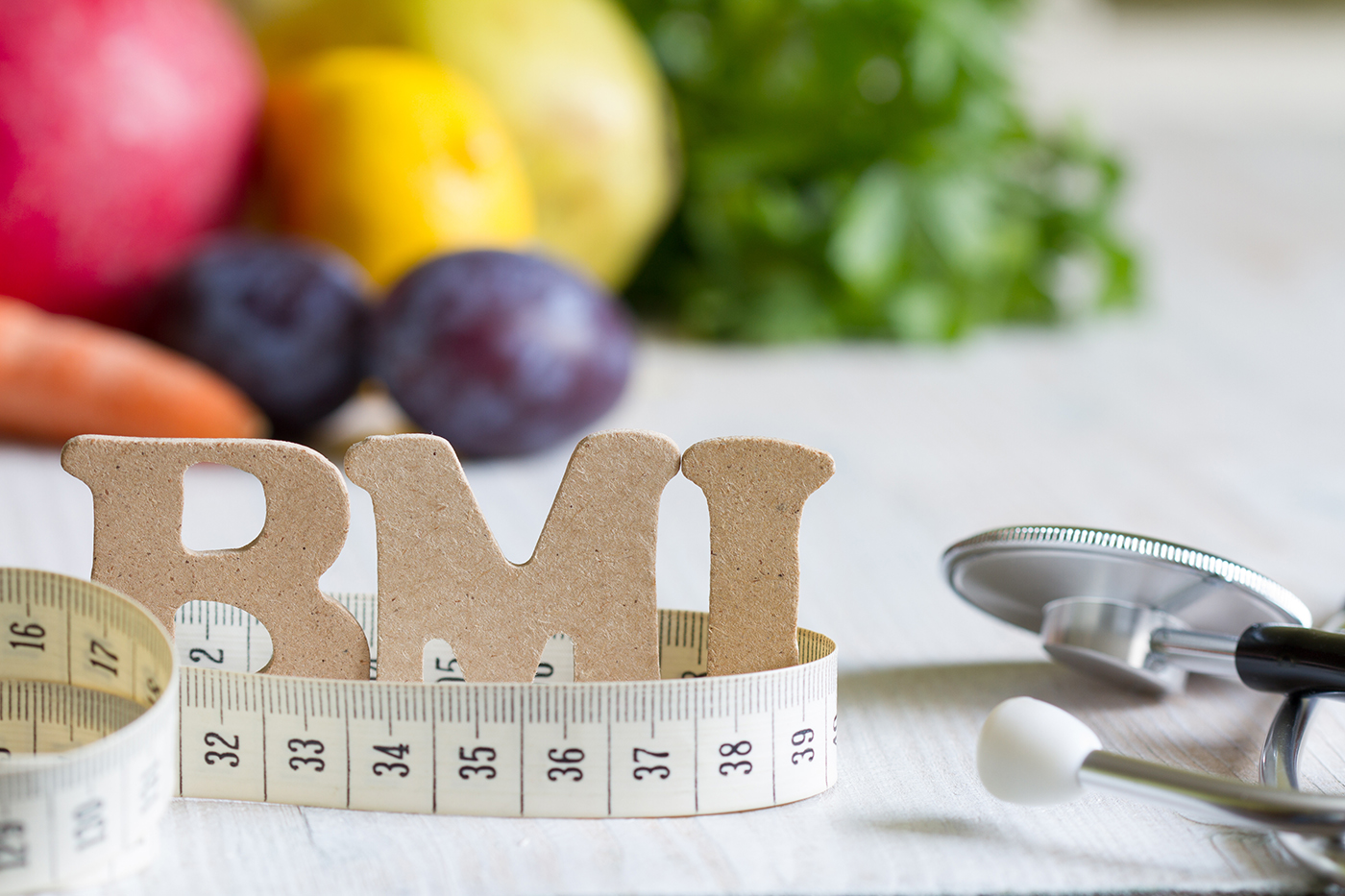
For the study, published by the journal Obesity Research & Clinical Practice, the researchers reviewed the adolescent body mass index (BMI) measurements of Arkansas mothers ages 20 to 30 who gave birth for the first time between 2013 and 2023. The BMI measurements were obtained from Arkansas’s BMI screening program for public school students, the oldest continuously operating BMI screening program in the country. Students’ BMI measurements are compiled and analyzed in annual reports by ACHI.
The researchers linked the BMI data with Arkansas Department of Health birth records, which note whether mothers had obesity or severe obesity prior to pregnancy. The birth records were accessed through the Arkansas Healthcare Transparency Initiative, a health data collection program administered by ACHI with oversight from the Arkansas Insurance Department.
The study population consisted of 27,370 mothers who received BMI assessments when they were in 10th grade. The researchers also looked at a subset of the study population consisting of 18,881 mothers who had BMI assessments in 10th, eighth, and sixth grades.
The study found that 78.2% of the mothers who had severe obesity in 10th grade still had severe obesity prior to their first pregnancy, whereas only 13.5% of the mothers who were at a healthy weight in 10th grade were obese or severely obese prior to their first pregnancy. Tenth-grade weight status predicts pre-pregnancy obesity and severe obesity with 79.1% accuracy, and weight status as early as sixth grade predicts pre-pregnancy obesity and severe obesity with only slightly less accuracy, according to the study.
Pre-pregnancy obesity is associated with various harmful outcomes for both the mother and child, including an increased risk of a preterm birth, gestational diabetes, hypertensive disorders, cesarean delivery, admission to the neonatal intensive care unit, and neonatal death. Also, maternal obesity can influence the child’s health beyond infancy and well into childhood and adolescence, perpetuating intergenerational cycles of poor health.
“This information can be used to help clinicians and policymakers tailor intervention strategies and potentially improve future maternal and infant health,” the study’s authors wrote.
The study was authored by ACHI Director of Research Dr. Antonije Lazic, President Emeritus Dr. Joe Thompson, and Medical Director Dr. Arlo Kahn.