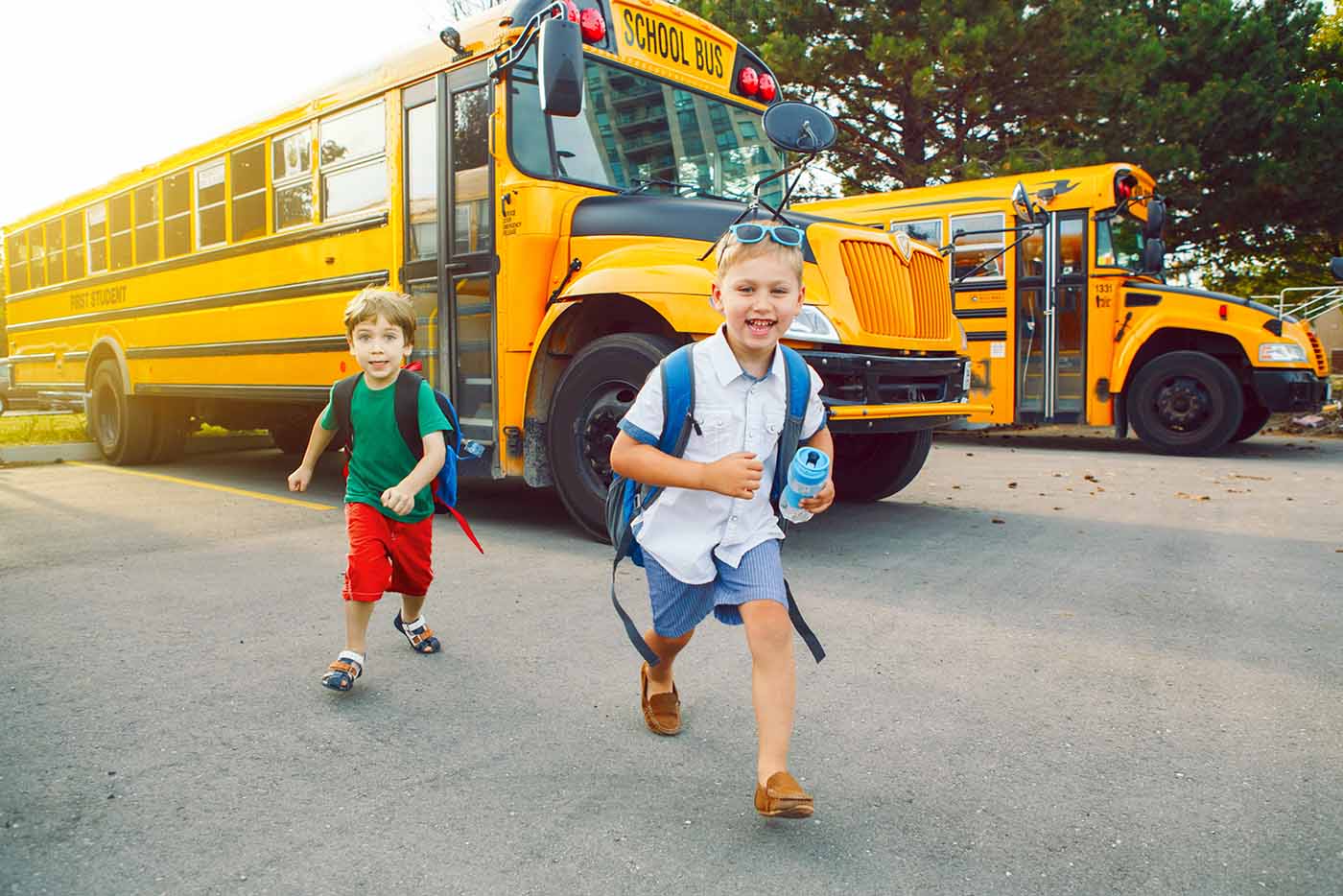
With a new school year starting, it is important to ensure that children’s vaccines are up to date to protect them, their classmates, family members, and the community. Arkansas requires that students who attend public or private schools or childcare facilities receive routine vaccinations unless they have an approved exemption.
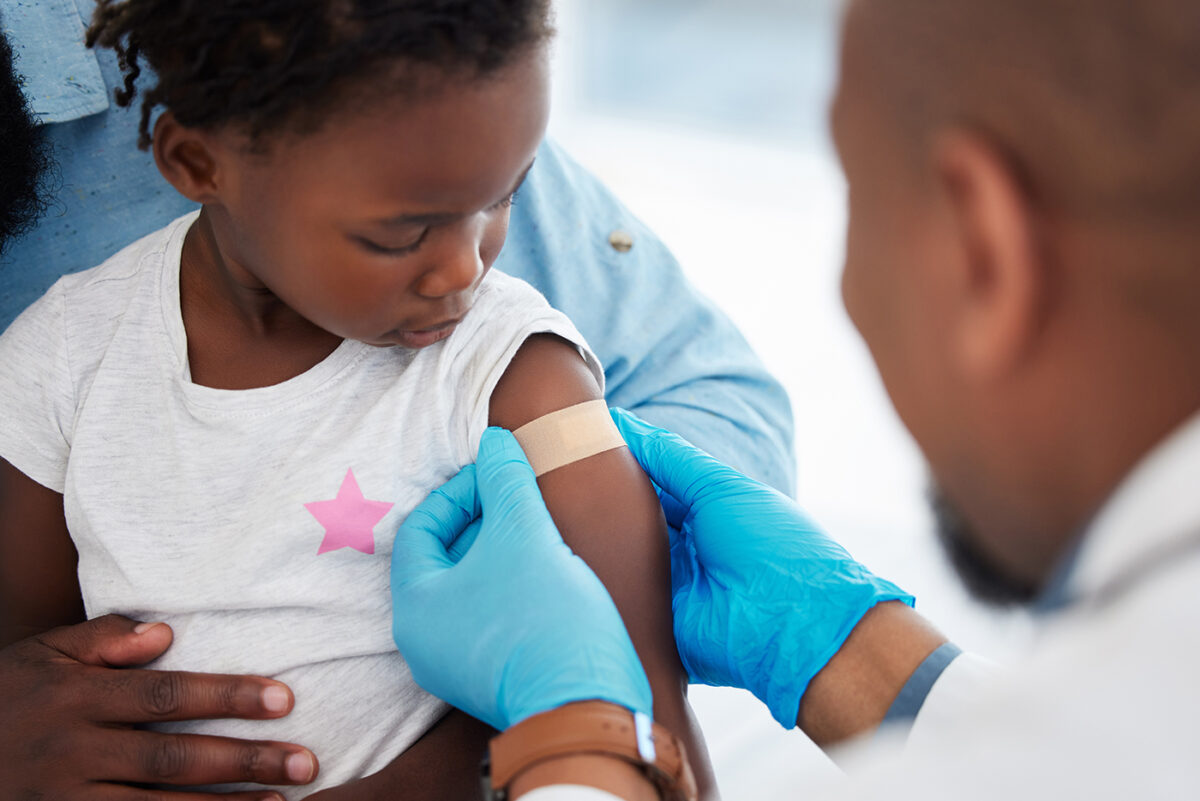
Routine vaccinations are vitally important for children. As the Centers for Disease Control and Prevention (CDC) notes, on-time vaccinations help children build immunity to potentially life-threatening diseases before they are exposed. Vaccines go through extensive testing to ensure they are both safe and effective for children to receive.
In the 2024-25 school year, CDC data show that vaccine coverage among U.S. kindergartners ranged from 92.1% for the diphtheria, tetanus, and pertussis (DTaP) vaccine and two doses of the varicella vaccine to 94% for the hepatitis B vaccine and one dose of the varicella vaccine. Coverage decreased for all reported vaccines from the year before.
Among Arkansas kindergartners, CDC data show that vaccine coverage in the 2024-25 school year ranged from 88.5% for the DTaP vaccine to 92% for the hepatitis B vaccine. As it did nationally, vaccine coverage in Arkansas decreased for all reported vaccines from the year before.
The 2025 America’s Health Rankings report by the United Health Foundation found that among Arkansas children born in 2020 and 2021, 62% had received all recommended doses of the combined seven-vaccine series recommended by the CDC by age 2 — the same percentage as the previous year. Arkansas’s child vaccination rate in the 2025 report was below the U.S. average of 67% and near the bottom (46th) in a ranking of states. Massachusetts was the best-performing state at 83%, and Montana was the worst-performing state at 58%.
Timely vaccination of children is an important public health measure needed to reduce the spread of preventable illnesses in childcare centers, schools, and other educational settings. Failure to fully vaccinate children may also disrupt their educational opportunities: In 2016 and 2017, Arkansas experienced a mumps outbreak with nearly 3,000 cases, many of which were among school students. Because of the outbreak, the Arkansas Department of Health required students who were not fully vaccinated because of exemptions to be excluded from school for 26 days if they were exposed to the virus.
The Arkansas Department of Health has published a chart (pages 7 and 8) with immunization requirements for public school children in the state. The CDC also has adult and child immunization schedules available on its website.
College students who are heading back to school should also be up to date on vaccines to prevent the spread of infectious diseases on campus. Communal living spaces that many college students reside in create environments where viruses and bacteria are easily spread. Arkansas requires students attending colleges and universities to be vaccinated against measles, mumps, and rubella unless they have an approved exemption. Check with your child’s school to see if additional health documentation or vaccinations are required to register and attend classes.