The emerging connection between social media, mental health, and adolescent development is complex. ACHI is committed to providing evidence-based resources to help youth, families, educators, and policymakers responsibly navigate this evolving space.
Social media has undoubtedly become an integral part of our lives, and we all have a role to play in guiding our youth through today’s digital landscape. Nurturing engagement through social media can offer numerous benefits, including communication, connectivity, and access to learning. However, it is equally important to recognize growing evidence about the potential harm and influence that social media can have on young minds, such as engagement in risky behaviors, addictive tendencies, social isolation, interference with sleep or physical activity, and vulnerability to bullying or inappropriate social comparisons.
As part of ACHI’s efforts to track emerging trends in youth mental health, we developed an interactive dashboard that highlights mental health diagnoses for adolescents ages 10 to 17 based on data from the Arkansas Healthcare Transparency Initiative. Although changes in recorded diagnoses may reflect multiple factors, the analysis shows that from 2016 to 2023, more Arkansas adolescents are being diagnosed with anxiety, depression, eating disorder, or suicidal ideation or attempt each year.
Arkansas has taken multiple steps to address concerns about technology use and the potential effects on youth mental health. For example, The Bell to Bell, No Cell Act that went into effect with the 2025-2026 school year generally restricts students’ personal electronic device use during the school day, citing social media’s harm to academic performance and mental well-being.
Sleep and Youth Social Media
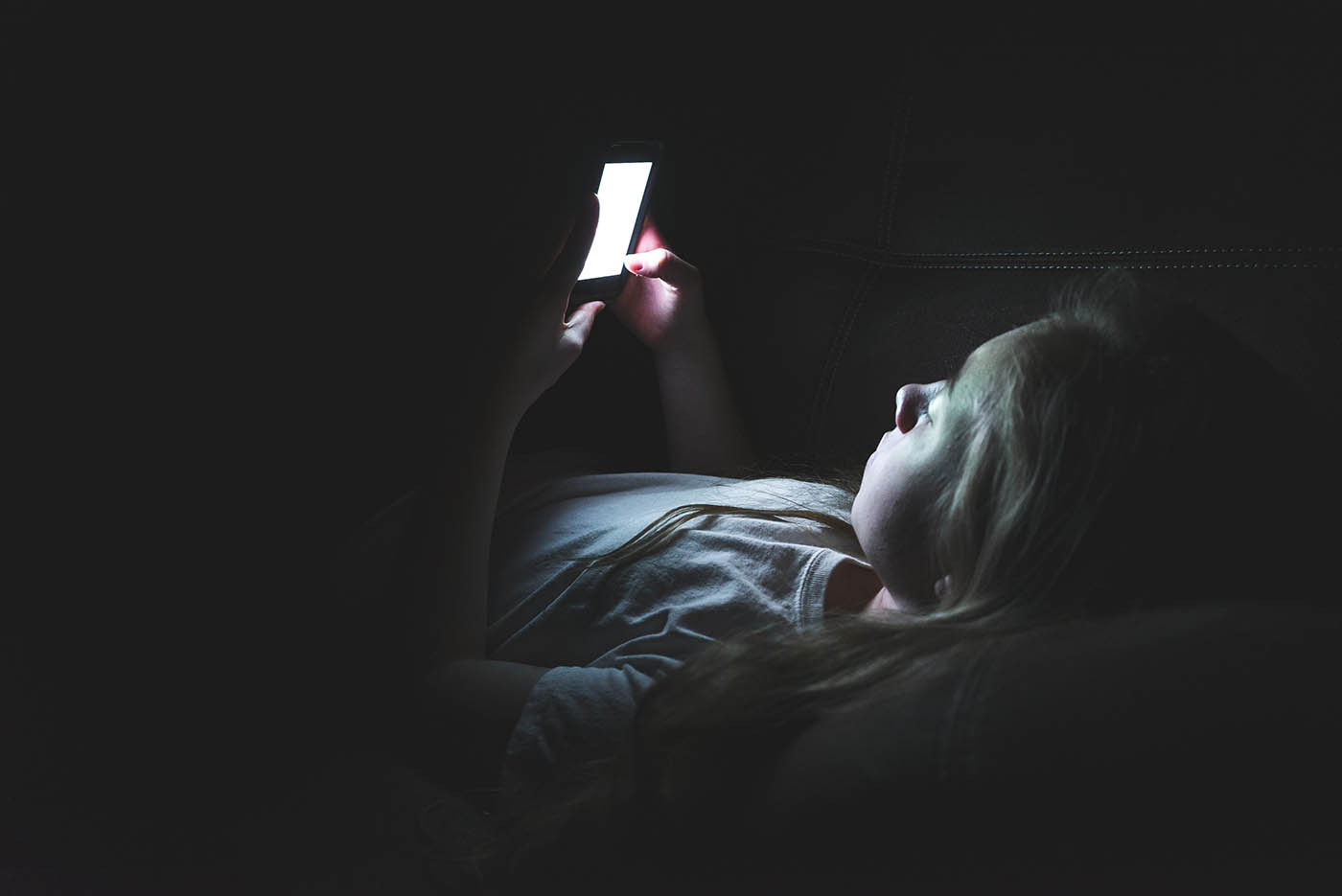
One increasingly clear connection between social media and youth mental health is the impact of social media use on our children’s sleep. Dozens of studies on the effects of excessive social media use have found a consistent relationship with poor sleep quality, reduced sleep duration, difficulty sleeping, and depression among young people. Parents, guardians, and other caregivers should take steps to protect their children’s sleep.
Related Blog Posts
Social Media Protections for Young Arkansans Included in Settlement With Meta
Study: Increased Social Media Use by Children Linked to Lower Scores on Cognitive Function Tests
Youth Social Media Use and Associations With Suicide Risk
Survey: Online Experiences — Not Smartphone Ownership Alone — Tied to Youth Mental Health
4 or More Hours of Daily Screen Time Linked to Higher Anxiety, Depression in Teens
Survey: 1 in 5 US Adolescents Had a Diagnosed Mental Health Condition in 2023
ACHI Offers Recommendations for Parents, Caregivers To Safeguard Children From Social Media's Harms
LITTLE ROCK ― (Aug. 9, 2023) As evidence mounts about social media’s potential harms to children, parents and caregivers should know there are steps they can take to minimize the risks, the Arkansas Center for Health Improvement said Wednesday.
“Social media can have both positive and negative impacts on young people,” ACHI President and CEO Dr. Joe Thompson said. “Along with providing opportunities for education, entertainment and communication, social media can expose children to cyberbullying, promote bad habits, and fuel depression, anxiety, and other mental health problems. Parents and caregivers need to know what the dangers are and what they can do to safeguard children from harm.”